Blog
Singing, tuning, and making Intonic Vocal and Intonic Live.
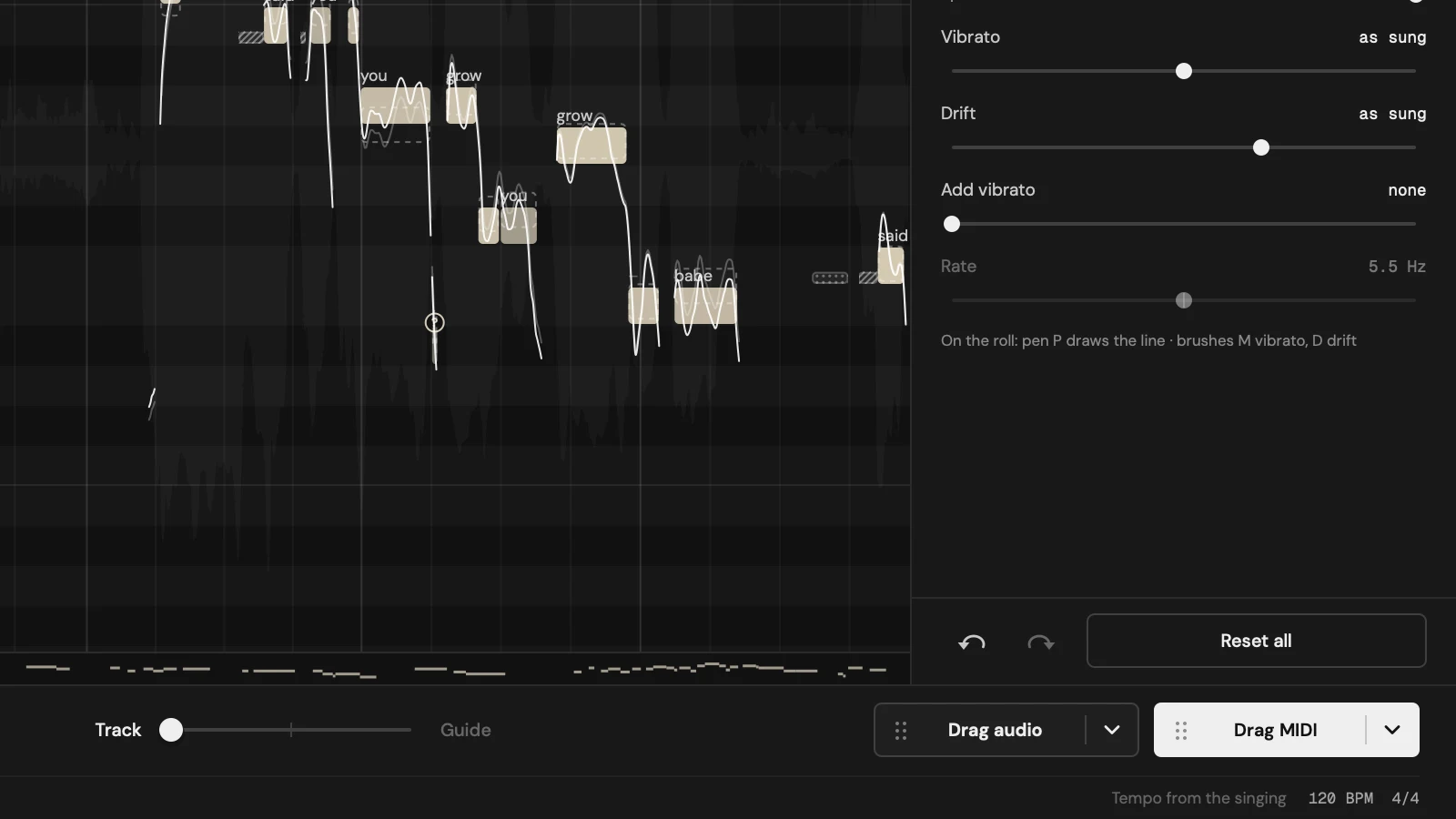
Turning a sung melody into MIDI
Sing an idea, get the notes. Turning a vocal into MIDI for a synth, a score or a topline, after the take or while you sing.
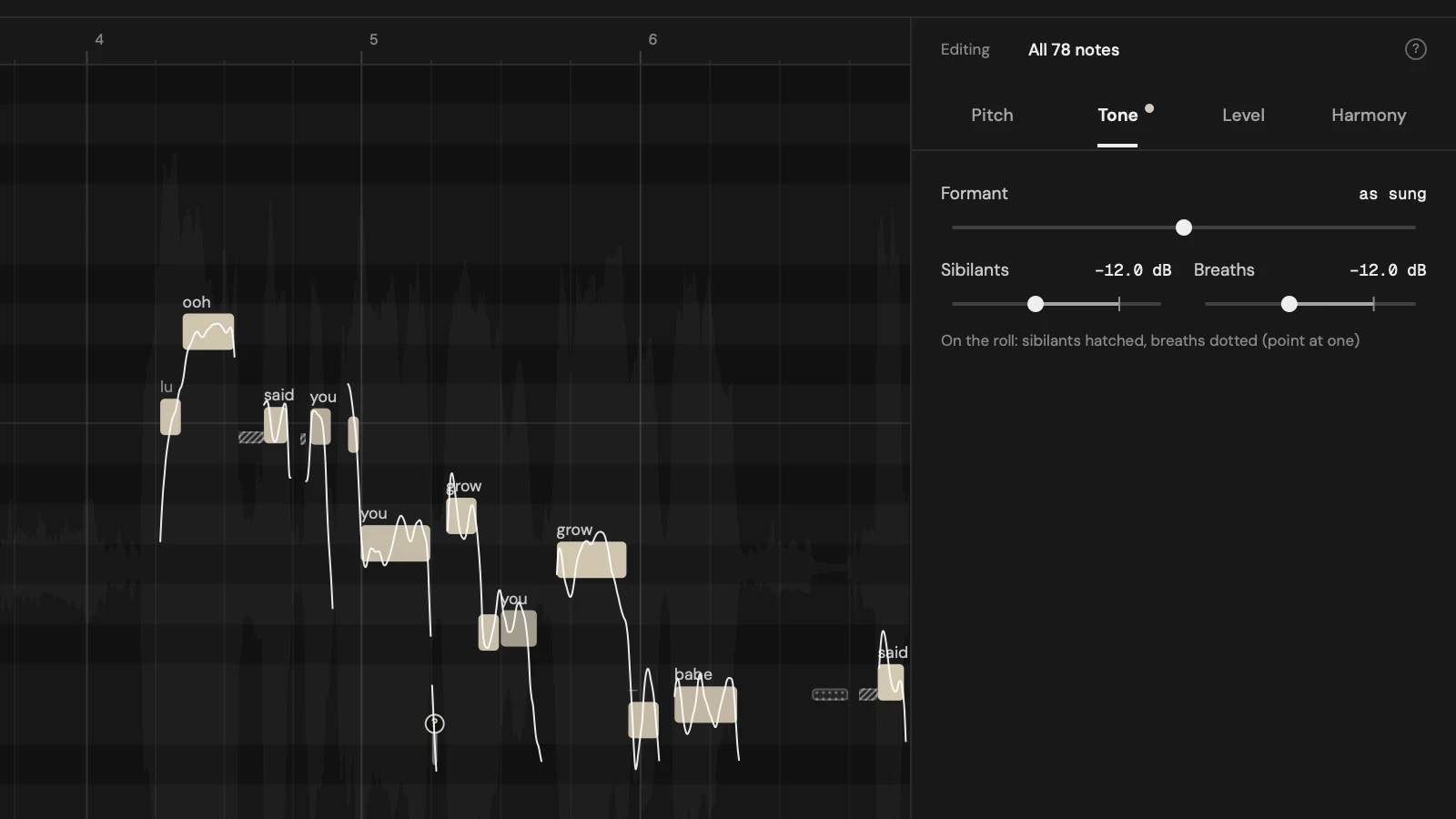
Breaths and sibilants in a vocal: turn them down, don't cut them out
Loud breaths and harsh s's are the most common problems in a vocal take. Why removing breaths makes a vocal sound edited, and how to tame s's without dulling the singing.
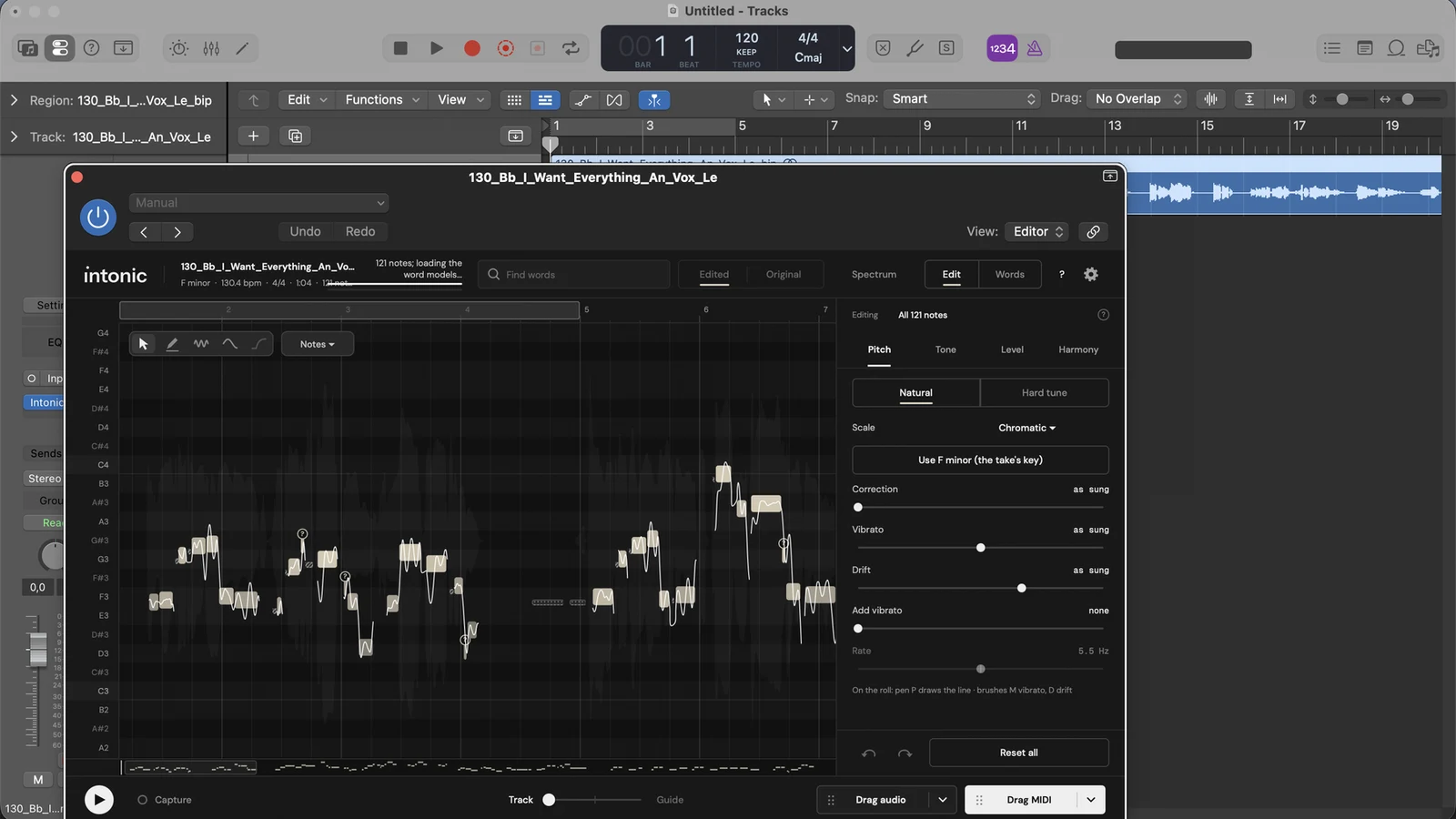
How to tune vocals in Logic Pro with a third-party pitch editor
In Logic Pro, Intonic Vocal works as an AU without ARA. The quickest way to get a vocal into it anyway, and back out again.
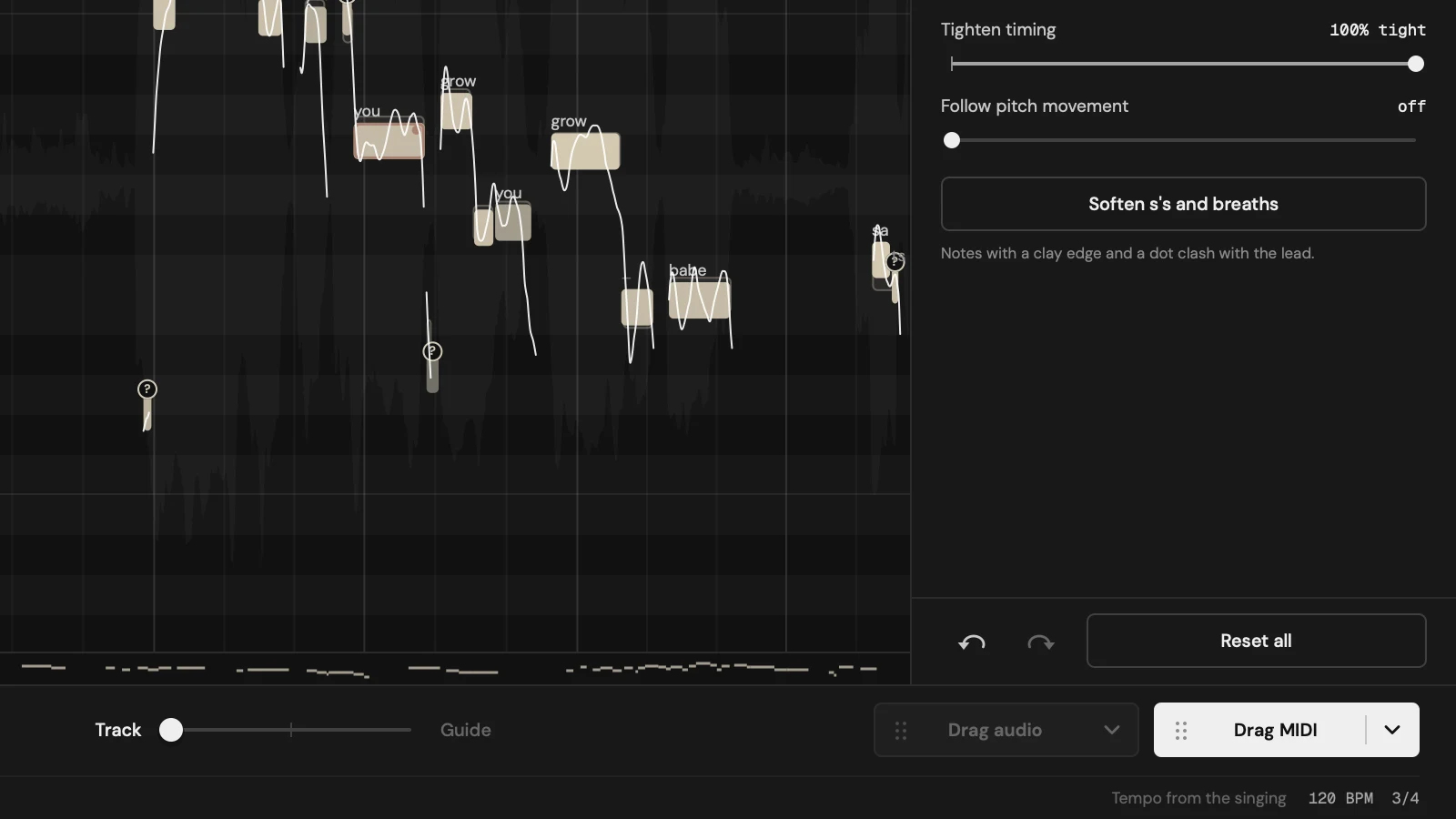
How to tighten double-tracked vocals without making them robotic
Doubles and stacked harmonies only sound big when they line up. Tightening their timing to the lead, keeping their pitch with it, and stopping the s's from piling up.
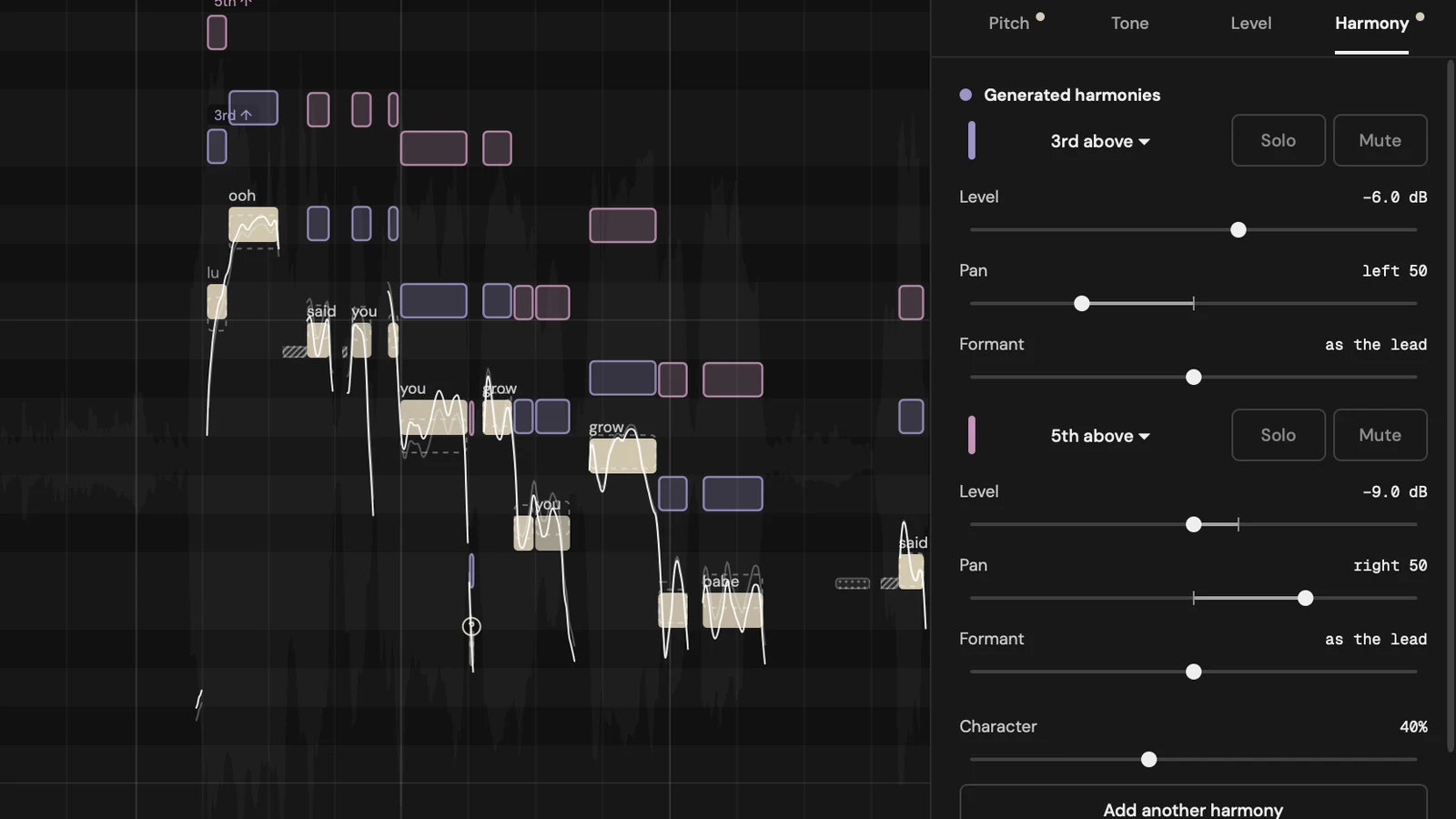
How to make vocal harmonies from a single take
No harmony singer? You can build backing harmonies from the lead itself. Which intervals to use, how to keep them in key, and how to stop them sounding generated.
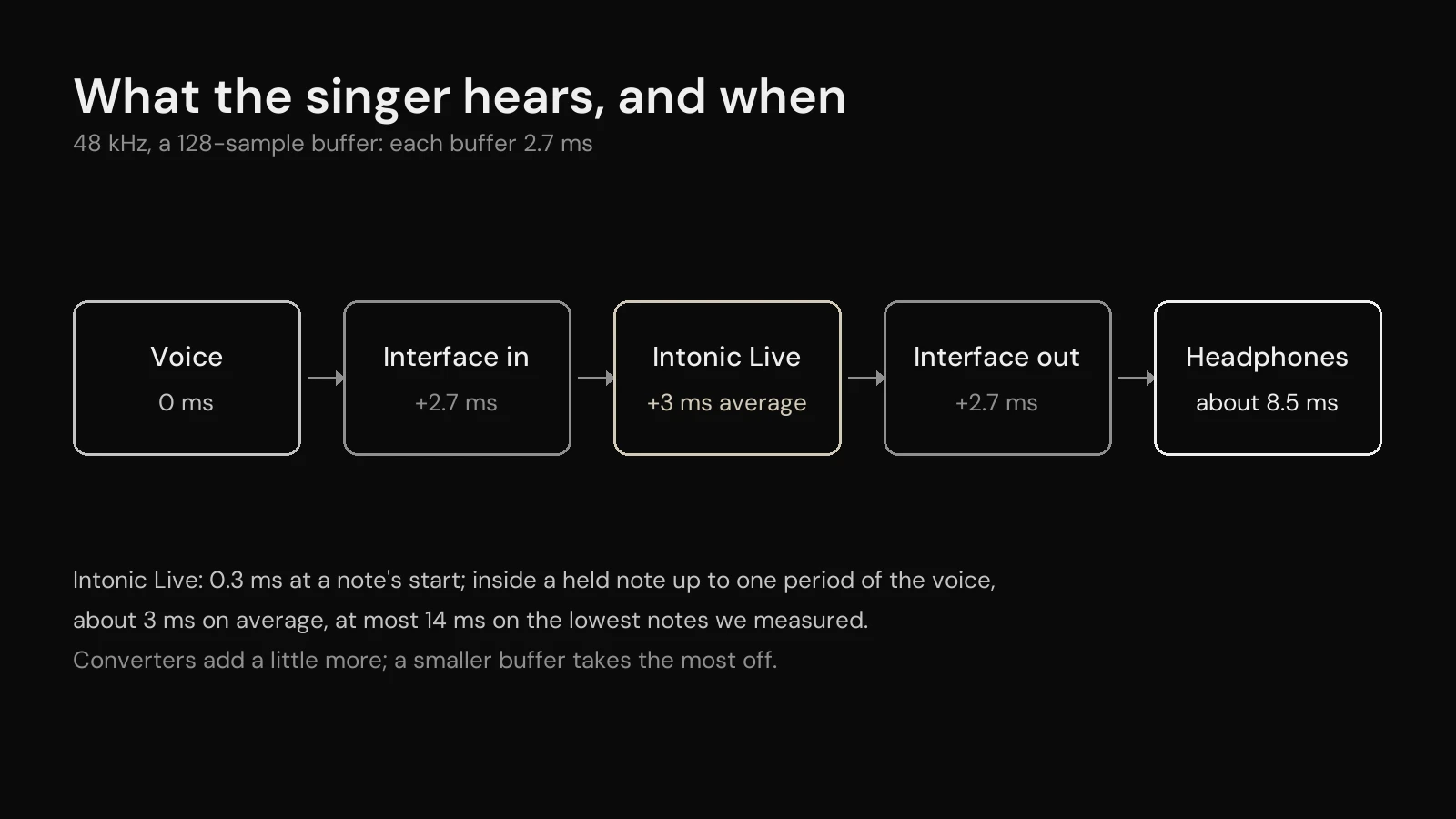
Real-time vocal tuning and latency: what the singer actually hears
Tuning a voice while it is sung puts a delay in the singer's headphones. Where it comes from, why low notes need more of it, and how to keep monitoring tight.
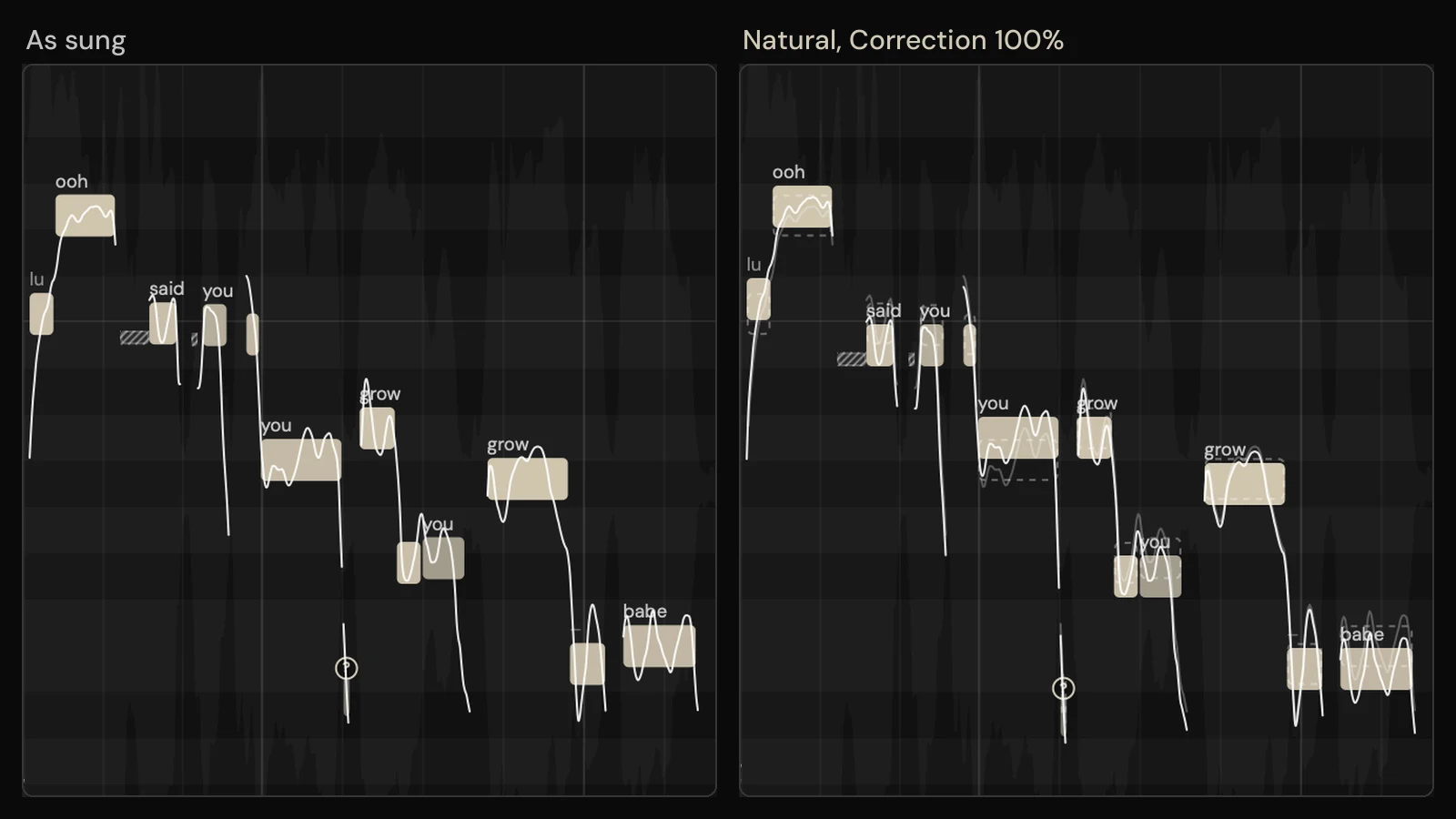
Why tuned vocals stop sounding like the singer
Pitch correction can flatten a voice. What a singer's pitch does inside a note, and how to correct the part that was wrong and leave the rest.
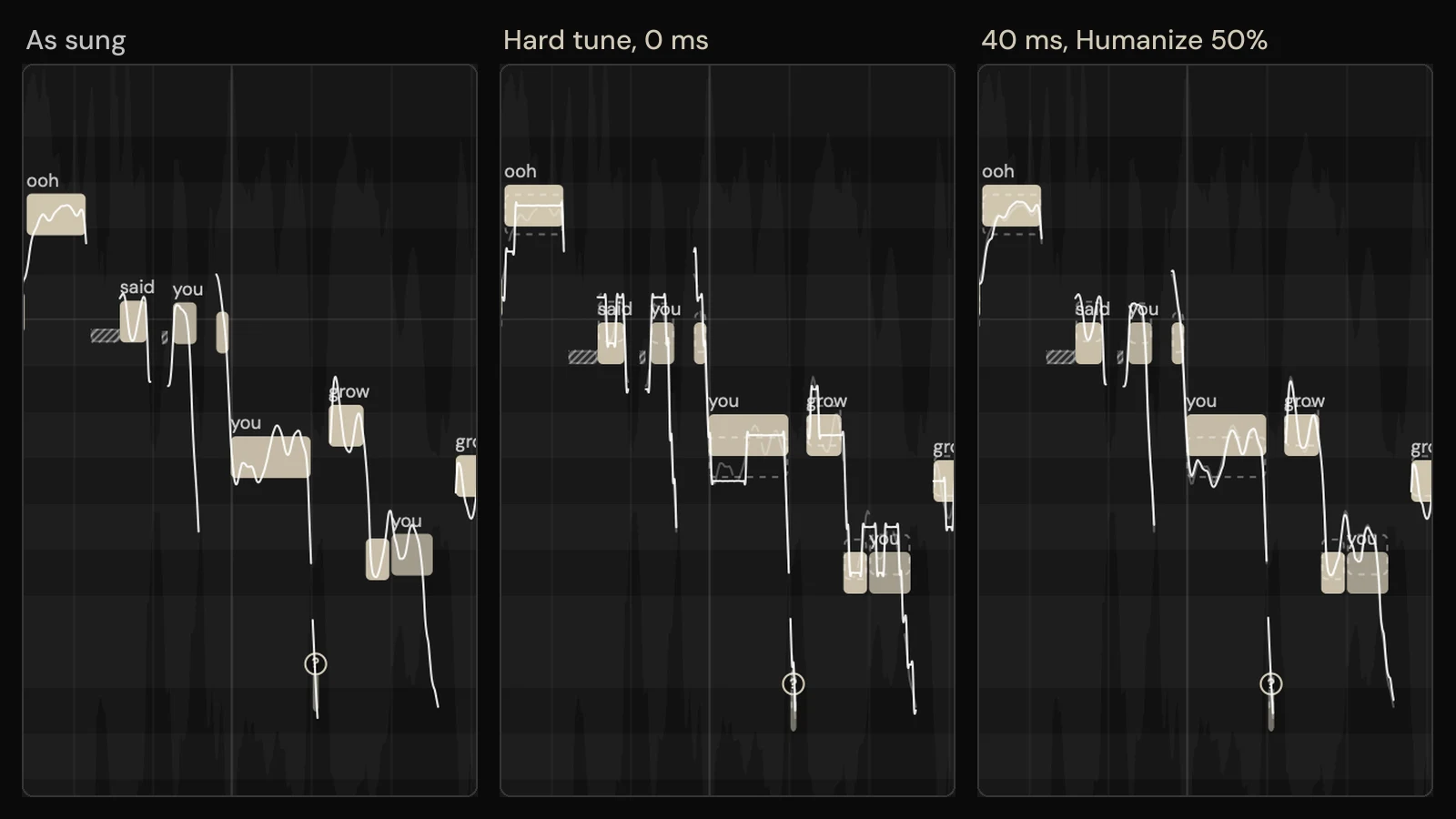
Retune speed explained: what 0, 20 and 50 ms do to a vocal
Retune speed decides whether a vocal sounds robotic, polished or natural. What the number means, and what I measured at 0, 20 and 50 ms.
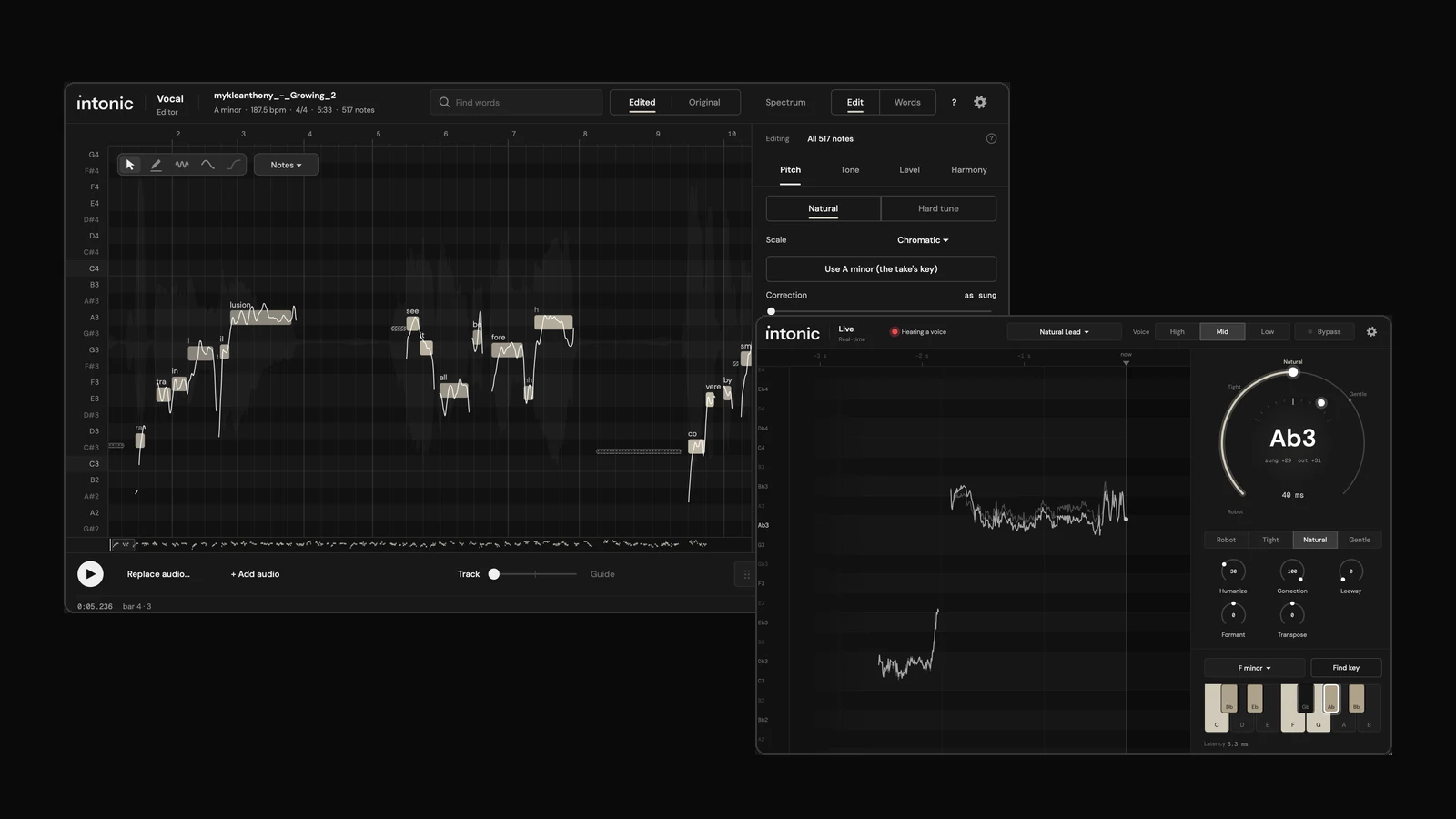
Building Intonic: why I measure everything
Intonic Vocal and Intonic Live are made by one person. Why I measure them against the singer and the tools everyone uses, and two numbers I changed because of it.